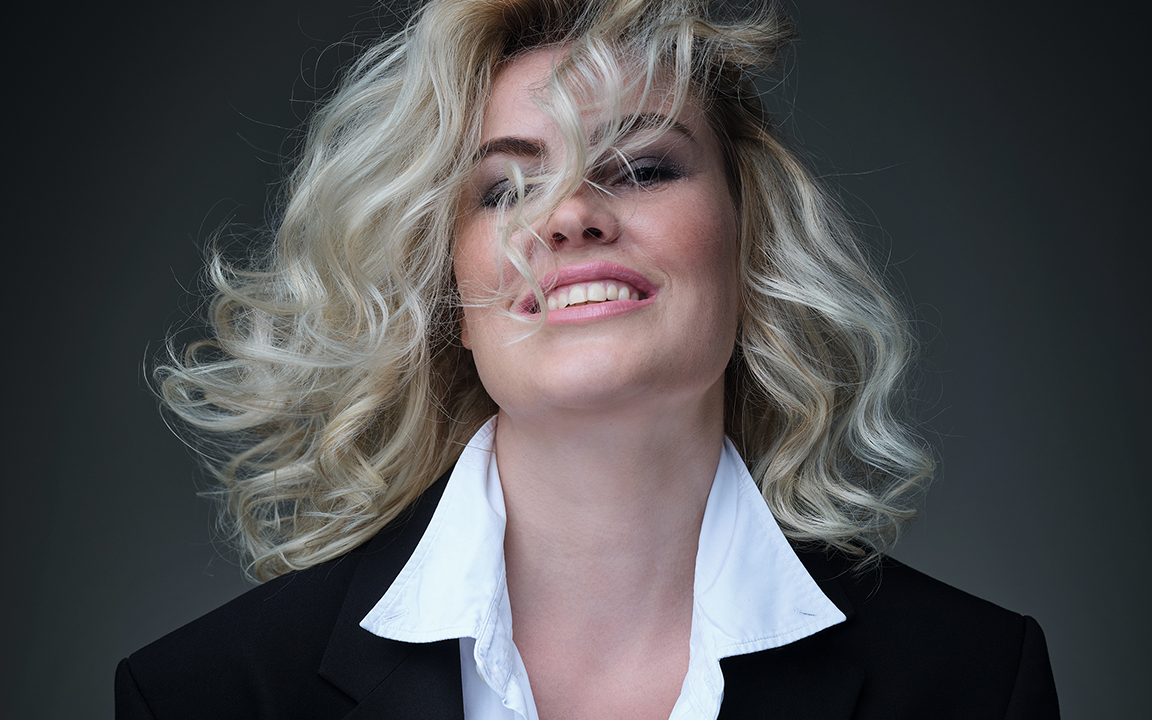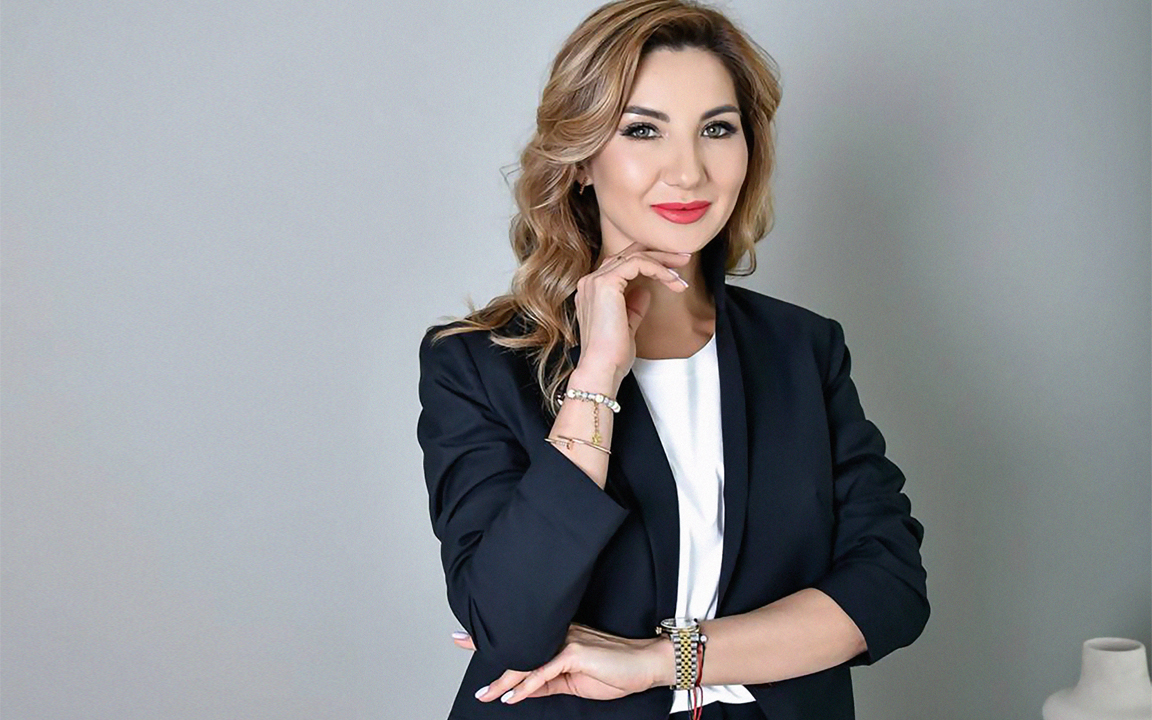

Tamara Zhukova: How to Keep Faith in New Beginnings During Wartime
She combines several important roles — psychologist, entrepreneur, volunteer, Miss Europe titleholder, and mother. During the full-scale war, Tamara Zhukova managed to launch four new projects, support hundreds of children, and at the same time keep the ability to dream and act. In this conversation, she shares her philosophy of starting from scratch, talks about the importance of the right team, about fears that can hold you back, and about the life lessons she would like to pass on to her son.

Tamara, let’s imagine that the war didn’t stop your life’s pace but, on the contrary, became a catalyst for new ideas. Four launched projects — is this about confidence or rather about a challenge?
The confidence was there from day one. I had no doubts that it was worth starting. The hardest part is not the launch, but finding “your” people. A team is not just a set of professionals, but like-minded individuals who breathe in unison with you. When this resonance exists, a real breakthrough is possible. A motivated staff is the main resource, and finding it is always the hardest. People must not only believe you but also believe in you.
You look at the world both as a psychologist and as a businesswoman. What has changed the most in people during these years of war?
The most painful thing is seeing the unwillingness to restore the “energy of life.” Many have lost their business, home, dream — and cannot make themselves build something new. Yes, it is hard, but it is the only path to growth. When a person stops creating, they quickly become indifferent: the meaning of life disappears, procrastination begins, bad habits appear, illnesses arise. It saddens me that many have given up. I am sure that you can rise from any point — even from the very bottom.
You have many roles: mother, volunteer, public figure, beauty queen. How do they coexist?
Before, they competed for my time, but now they harmoniously complement each other. My son is an adult, he is 19, lives abroad, and makes his own decisions. I am a mother who is present from a distance, a mother of conversations, not of daily calls. This leaves more space for other areas.
I see the Miss Europe title as an opportunity to inspire and help. Volunteering is a natural part of my life. I work with children, including those in inclusive programs, and take part in fundraising, especially before the school year starts. But I never publicize it — help should come from the heart, not for PR.

What today most affects the success of a project in Ukraine?
Fear. People do not always believe in the future, and this blocks action. I create projects not with cold business calculation, but because I am interested and I see development. Financial results are important, but not the main thing. My philosophy is simple: any ending is a chance to start again. When one door closes, another will certainly open. The greatest threat to a person is themselves and their lack of faith in their own strength.
Now everyone is talking about mental resilience. Where should you start — with the personal or the collective?
First with yourself. You cannot help another if you are empty yourself. People often expect the world to adapt to them, but this is an illusion. The world is a reflection of our inner state. And even if free tools for change are within reach, not everyone is ready to use them.
If you imagine that in ten years your son tells someone one story about you, which one would you choose?
Probably the story about the cold winter of my childhood. I was ten and going to visit someone in a small fur coat that was tight and didn’t cover my arms. It was terribly cold. I promised myself that when I grew up, I would never live like that. At thirty, I bought a luxurious mink coat, wore it for a year, and realized: it wasn’t about fashion, but about a promise to the little girl who was freezing back then. I fulfilled it, and since then I know — no cold will ever break me again.