
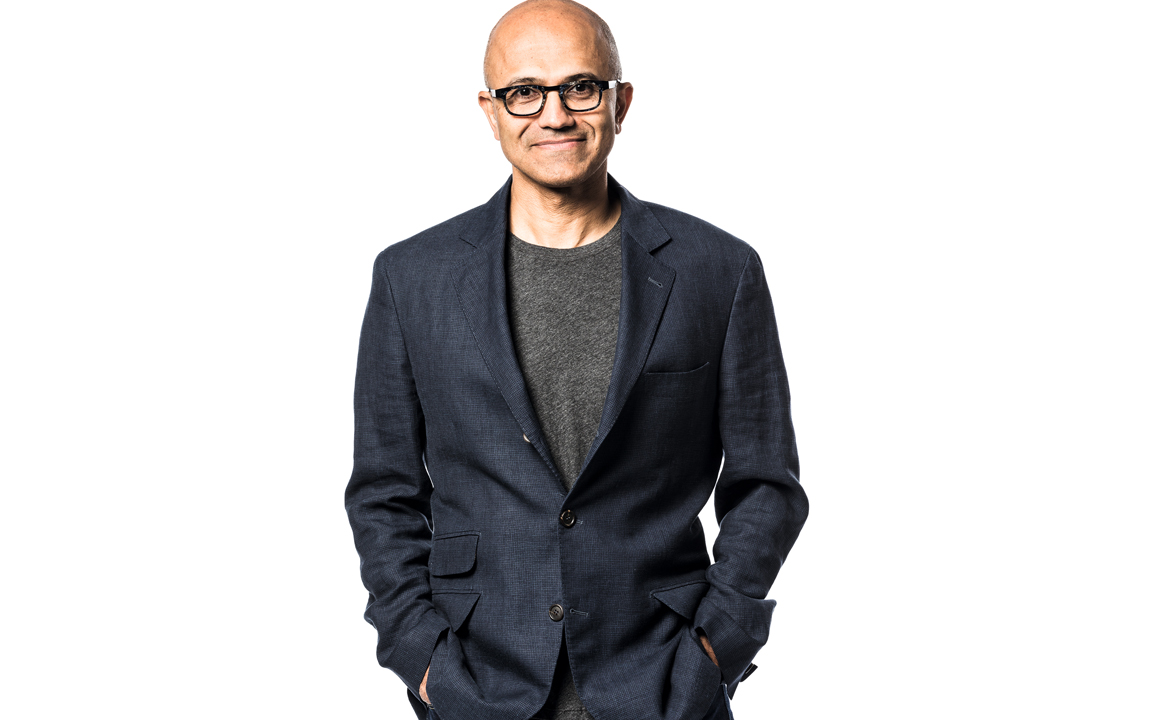
Satya Nadella. How Microsoft Became A Tech Giant Under A New Kind Of Leadership
When Satya Nadella became CEO of Microsoft in 2014, the company’s future seemed uncertain. The personal computer market was shrinking, and Windows — once the company’s flagship product — was losing ground amid the rapid growth of mobile devices. However, instead of trying to hold on to outdated approaches, Nadella boldly changed the company’s course and chose an entirely new path for development.
By 2024, under his leadership, Microsoft had transformed from a company focused on operating systems into a global leader in cloud computing and artificial intelligence. This journey was not easy, but it was Nadella’s strategic decisions that enabled Microsoft to once again take leading positions in the technology world.
NEW FOCUS: FROM WINDOWS TO CLOUD SERVICES
One of the key strategies implemented by Satya Nadella was the reorientation of Microsoft toward cloud technologies. Instead of relying on the outdated model of selling operating systems and office software, the company focused on building a powerful ecosystem of cloud solutions.
This led to the creation of Microsoft Azure — a cloud platform that today competes on equal footing with Amazon Web Services and Google Cloud.
This strategic shift allowed Microsoft not only to regain its market position but also to become one of the leading companies in the era of digital transformation. Azure provides businesses with tools to rapidly build and scale applications in the cloud, opening entirely new horizons for the company. However, as experience showed, this alone was not enough — the market demanded not only technological solutions but also the ability to adapt to rapidly changing needs.

ARTIFICIAL INTELLIGENCE AS A GROWTH CATALYST
Nadella recognized that the future of technology is inseparably linked to artificial intelligence. Investments in AI became not merely a trend for Microsoft, but a core strategic direction.
For example, the acquisition of GitHub, the world’s largest developer platform, helped Microsoft integrate AI solutions into the everyday tools used by developers around the globe.
In addition, Microsoft became one of the largest investors in OpenAI, enabling the integration of some of the most advanced AI models — such as GPT-4 — into its products. This significantly changed the way data and analytics are handled for millions of Microsoft Office and Azure users worldwide.
Innovations like Copilot, which helps Office users automate routine tasks and generate content, demonstrate how artificial intelligence can become a valuable tool in everyday life. By 2024, such tools have become an integral part of business processes across many industries.
ETHICS IN TECHNOLOGY: AI FOR THE GREATER GOOD
However, technological growth is always accompanied by questions about ethical use. Here, Nadella’s stance proved to be just as important as technological innovation.
Under his leadership, Microsoft actively promoted initiatives aimed at using AI for social good. The AI for Accessibility program became a powerful example of how technology can improve the quality of life for people with disabilities.
These initiatives go far beyond purely commercial products. Under Nadella, Microsoft continues to develop solutions that enhance the accessibility and usability of technology for everyone.
This underscores not only Satya Nadella’s business acumen, but also his commitment to making technology as beneficial as possible for all.
SHIFT TO A CULTURE OF COLLABORATION: HOW NADELLA CHANGED THE APPROACH TO PARTNERSHIPS
Microsoft had long been known for its competitive strategy, but under Nadella’s leadership, the company adopted a different approach. Instead of competing aggressively with rivals, Microsoft began actively building partnerships that benefit all parties involved.
A clear example is the integration of Microsoft Teams with platforms such as Zoom and Slack. This not only allowed Microsoft to attract more corporate clients, but also demonstrated that flexibility and openness are essential for long-term success.
Nadella also formed partnerships with SAP and Oracle, expanding Azure’s capabilities and attracting clients seeking comprehensive business solutions.
These actions show that Microsoft is no longer focused solely on controlling its ecosystem. Instead, it aims to build a flexible platform capable of integrating with diverse tools and services, delivering maximum convenience and efficiency to customers.
LEADERSHIP THROUGH EMPATHY: A NEW MANAGEMENT PHILOSOPHY
The true hallmark of Satya Nadella’s leadership style lies in his philosophy rooted in empathy and continuous learning. Under his leadership, Microsoft embraced a learn-it-all culture that encourages employees to grow and evolve rather than simply follow established norms.
In his 2017 book “Hit Refresh,” Nadella outlined his vision for Microsoft’s future and for leadership in the modern world. The book emphasizes not only flexibility and openness to new ideas, but also the importance of motivating people to develop.
Today, Microsoft is not just a powerful corporation, but a place where individuals are given opportunities for personal and professional growth. This may well be the key reason the company has reclaimed its leadership position — and why its employees take pride in being part of it.