

Kazakhstan’s Leading Banks in 2026: The Institutions Shaping the Country’s Financial Sector
Kazakhstan’s banking industry continues to demonstrate resilience and strong financial performance. As of the first quarter of 2026, the country’s largest banks have maintained solid positions, driven by robust capitalization, healthy profitability, and continued investment in innovation. Together, the five leading financial institutions play a pivotal role in supporting economic growth while reinforcing Kazakhstan’s position as one of Central Asia’s most dynamic financial markets.

Kaspi Bank Leads the Digital Banking Market
Kaspi Bank ranks first, with total assets of KZT 9.48 trillion. The bank reported KZT 1.3 trillion in equity and KZT 571.6 billion in net profit.
For the fifth consecutive year, Kaspi Bank has remained at the forefront of Kazakhstan’s banking sector, establishing itself as one of the region’s most successful fintech-driven institutions. Its parent company, Kaspi.kz, is publicly traded on Nasdaq, the Kazakhstan Stock Exchange (KASE), and the Astana International Exchange (AIX).
The bank’s largest shareholders are entrepreneurs Vyacheslav Kim and Mikheil Lomtadze, while international investment firm Baring Funds also remains among its key investors.

Halyk Bank Remains the Country’s Largest Financial Institution
Halyk Bank holds second place overall while continuing to lead the market by total assets, which reached KZT 20.27 trillion.
The bank reported KZT 3.53 trillion in equity and KZT 976.9 billion in net profit, the highest earnings among Kazakhstan’s leading banks.
Its controlling shareholder is ALMEX Holding Group, owned by Timur and Dinara Kulibayev. Beyond Kazakhstan, the banking group operates subsidiaries in Georgia and Uzbekistan, reflecting its broader regional footprint.
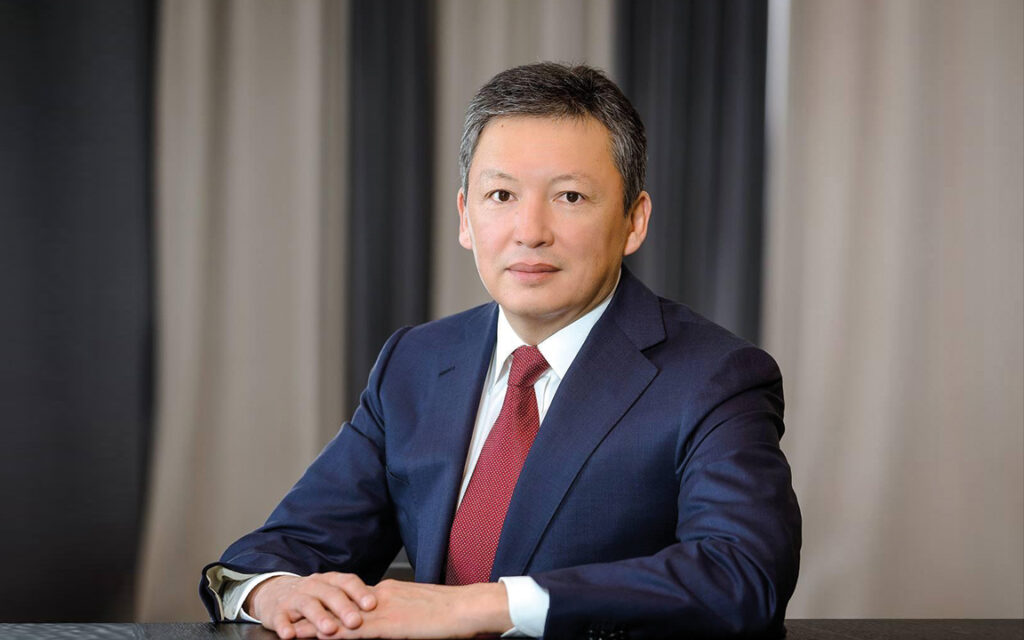
Bank CenterCredit Strengthens Its International Standing
Third place belongs to Bank CenterCredit, with total assets of KZT 8.57 trillion.
The bank posted KZT 810.5 billion in equity and KZT 240.2 billion in net profit during the reporting period.
In 2026, Bank CenterCredit was included in the S&P Global Index of the world’s most sustainable companies, underscoring its financial stability and commitment to long-term corporate performance.
The bank’s principal shareholder is Bakhytbek Bayseitov, while Vladislav Lee remains one of its largest investors.
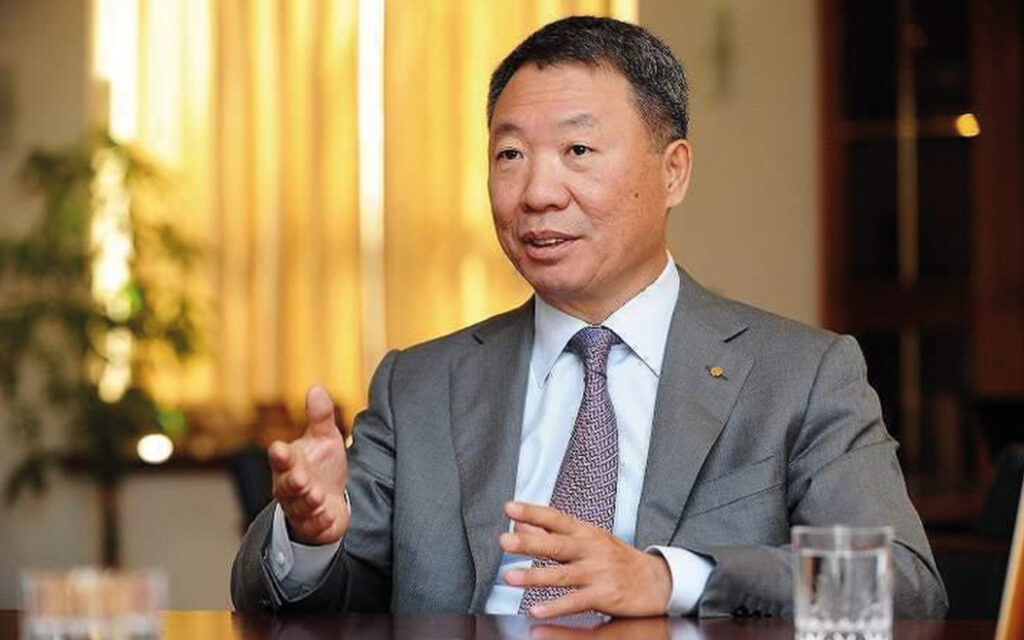
ForteBank Continues Its Strategic Expansion
ForteBank ranks fourth with KZT 5.17 trillion in assets.
The bank reported KZT 787.9 billion in equity and KZT 182.3 billion in net profit.
A major milestone in its recent growth strategy was the acquisition of Home Credit Bank, completed in late 2025, making ForteBank the institution’s sole shareholder and further strengthening its position in Kazakhstan’s retail banking market.
The bank is controlled by entrepreneur Bulat Utemuratov, who owns more than 91% of its common shares.
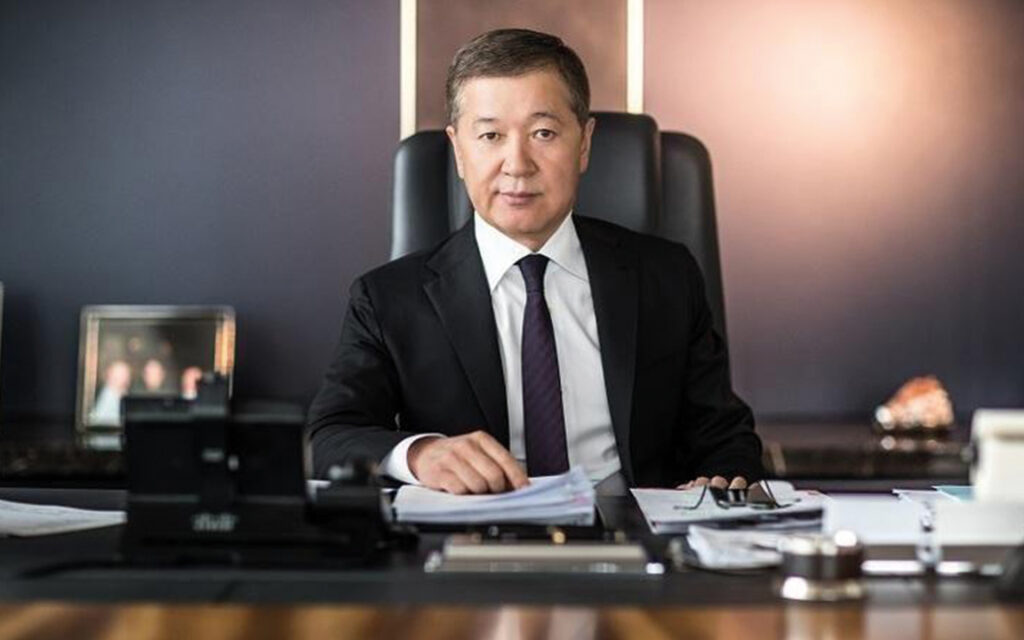
Otbasy Bank Maintains Its Leadership in Housing Finance
Rounding out the top five is Otbasy Bank, with KZT 5.2 trillion in total assets.
The bank reported KZT 766.5 billion in equity and KZT 127.5 billion in net profit.
Owned by the state holding company Baiterek National Managing Holding, Otbasy Bank continues to serve as Kazakhstan’s leading housing finance institution, playing a central role in the country’s mortgage lending and homeownership programs.
A Banking Sector Built on Stability and Growth
The performance of Kazakhstan’s largest banks highlights a sector that continues to evolve through strong capitalization, sustained profitability, and ongoing investment in technology and strategic expansion.
While each institution follows a distinct business model—from digital financial ecosystems and universal banking to state-backed housing finance—they collectively demonstrate the resilience and maturity of Kazakhstan’s banking industry. As the country’s financial landscape continues to develop, these institutions remain key drivers of investment, economic growth, and regional financial integration.


