
Bernard Arnault: How the “Terminator” of French Luxury Built His Empire
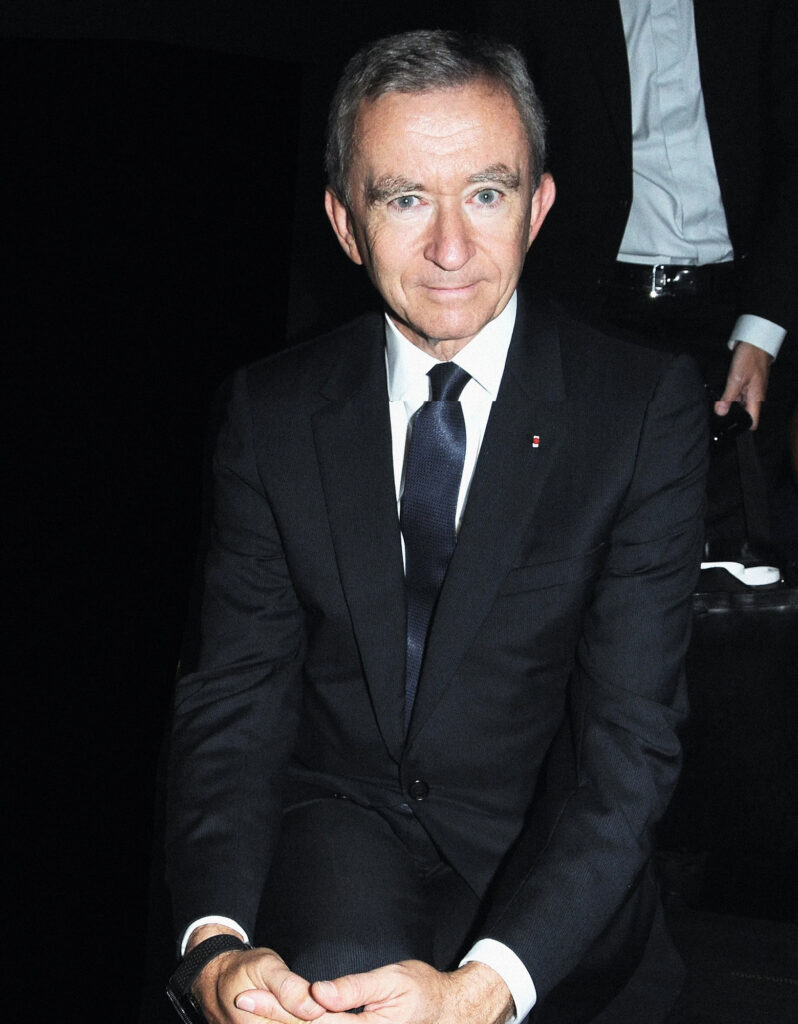
At first glance, Bernard Arnault appears calm, even reserved. But behind this outward composure lies a skilled strategist who created one of the largest luxury conglomerates in the world — LVMH. His path to the top was challenging, with each step marked by bold decisions, far-sighted moves, and unique business instincts. Arnault’s story is not just one of business but a tale of courage, determination, and the conviction that luxury is not only a product but also an art form.
BECOMING DIOR’S “TERMINATOR”
Bernard Arnault began his career far from the world of luxury. In the 1970s, he took over his father’s construction business, transforming it in a short time into a successful real estate company. However, his true calling emerged in 1984, when he acquired the bankrupt French company Boussac Saint-Frères, which included the famous but struggling brand Christian Dior.
To revive the business, Arnault took tough measures, cutting 9,000 employees and retaining only Dior and the department store Le Bon Marché.
This decisive move earned him the nickname “Terminator,” but it also established his reputation as a fearless leader willing to make difficult decisions for long-term success. Under his leadership, Dior not only survived but became a symbol of high style and commercial success.
FOUNDING THE LVMH EMPIRE
Saving Dior was only the beginning. Recognizing the potential of heritage brands, Arnault set out to create the largest luxury company in the world. In 1987, with investment from Guinness PLC, he began buying shares in LVMH (formed by the merger of Moët Hennessy and Louis Vuitton). Over the next two years, he acquired a controlling stake and led LVMH, laying the foundation for its transformation into a global empire.
Arnault pursued a multi-brand strategy: he did not attempt to unify or subordinate brands to a strict corporate style. Instead, each brand — from Louis Vuitton to Hennessy — retained its individuality and creative freedom, while gaining resources for global growth. This allowed LVMH to become a home for the best brands in different categories: from fashion and cosmetics to watches and alcohol.
PERSONAL LIFE, ART, AND NEW HORIZONS
While Arnault is renowned as a ruthless businessman, in his personal life he is a refined art lover. His collection includes works by Andy Warhol, Pablo Picasso, Jean-Michel Basquiat, and other great masters. In 2014, he opened the Louis Vuitton Foundation — a contemporary art museum designed by architect Frank Gehry. This museum became his tribute to art and a gift to Paris, attracting millions of visitors annually.
Arnault continues to surprise with bold strategic decisions. In 2022, LVMH sold its private jet after a Twitter user began tracking his flights. Now, for personal and business travel, he charters private planes, allowing him to maintain confidentiality. And in 2024, Arnault, along with Red Bull, initiated negotiations to purchase the Paris FC football club. This move could expand the presence of LVMH brands in the sports industry, adding new opportunities to engage with a younger audience and a new market.
The story of Bernard Arnault is an inspiring saga of how a man with an engineering background and an entrepreneurial spirit built an empire that influences global culture. He demonstrated that business can be an art and that luxury is not just about objects but a way of life that he knows how to create, promote, and protect from competitors.